Disability Pride Month: Part 2
Kat discusses ways to be a disability ally and support the community.
It’s time for change.
It’s time to talk about the disabled community in a positive, empowering manner, without discrimination or prejudice.
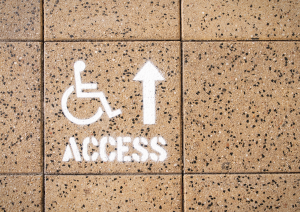
What can you do?
- Talk openly, mindfully and respectfully. Sometimes disabled people find that people are worried about being offensive so they don’t talk to them in the same way they would someone else. This creates a social barrier. Talk to people the way you would want to be spoken to. Remember there is so much more to everyone than their conditions or abilities.
- Challenge negative stereotypes. If you experience someone discussing or approaching disabled people with a negative attitude, try to reframe what they are saying in a way that has a positive outcome. For example, if someone assumes that a wheelchair user is unable to walk at all and then passes judgement when the disabled person gets up from their chair, challenge this. Explain the disabled person is likely an ‘ambulatory wheelchair user’, who uses the chair to preserve energy, avoid falling, lessen pain or to help with long distances (you don’t need to know all the lingo, just be aware of differences in disabilities).
- Get involved. There are many local services, charities and Non-Profit Organisations that support disabled people. We are a pan-disability charity, many are more specialised. If you are able to donate your time or money, then that’s amazing. If you aren’t then maybe try signing petitions, reading resources to educate yourself, share social media posts about campaigns or events, and spread the word amongst your social circle about charities that inspire you.
- Give opportunities. If you are a landlord, business owner, employer etc. don’t disregard or discriminate. If you are a local organisation or employer, perhaps you could consider signing up for our Disability Confident validation scheme .
- Think about inclusivity. Are you a digital content creator or a social media person? Read our top tips for digital accessibility. Do you put on events or groups? Consider using accessible spaces or having a quiet space for neurodivergent people. Do you run a shop, restaurant or business and notice few customers who use mobility aids? Have a think about why that might be and how you could help. If everyone was a little more aware of accessibility in their surroundings then society would be more equal and people would experience disability differently.
- Educate yourself on The Social Model of Disability*. This model highlights disability as being a societal issue rather than an individual one. Social barriers, such as non-inclusive environmental design, ineffective policies or negative attitudes are what disable people, as opposed to medical impairments or conditions.

It’s only when people are mindful and active about inclusion and equality that things will really start to change
Sources:
*https://www.scope.org.uk/social-model-of-disability