LGBTQIA+ History Month
Kat explores where disability and queer identity meet
“The intersection between being queer and being disabled is rarely discussed”
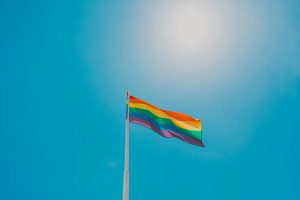
Have you ever considered the intersection between identifying as part of the LGBTQIA+ community and being a disabled person? How many people experience this and what does it mean for them?
Percentage of people who identify as disabled*
20.1% – general population
28.8% – those who identify as LGB
34.1% – those who identify as bisexual
36.1% – those who identify as ‘other sexual orientations’
The intersection between being queer and being disabled is rarely discussed, often lacks consideration in social spaces and is seldom portrayed by the media. Yet, the 2021 consensus of England and Wales*, found that:
– 28.8% of individuals that identified as LGB also identify as disabled, this compares to the overall population of which 20.1% are disabled people.
– 9.4% of those identifying as LGB stated their disabilities restricted their day-to-day activities ‘a lot’, whereas the same answer was only given by 8.6% of the overall population
Dissecting this a little further:
– 34.1% of those who identified as bisexual were disabled.
– 36.1% of those who selected “other sexual orientations” were disabled.
This suggests that there is a higher population of disabled people within the LGBTQIA+ community than the overall population.
“The process of ‘coming out’ as a LGBTQIA+ person has been compared to the action of disclosing a disability”
What are the implications of this?
These intersections of different identities can impact and shape experiences. They can influence social factors such as isolation and loneliness or lead to feelings of othering. The process of ‘coming out’ as a LGBTQIA+ person has been compared to the action of disclosing a disability, and both open a person up to the potential of compounded discrimination, bias and stigma. This can have complex and challenging real-life consequences.
Identifying as queer and being a disabled person may affect discrimination in the workplace or, trans people in particular, may find they experience more barriers to appropriate health care. For instance, The Human Rights Campaign states that members of the disabled and queer community are more likely to be faced with economic difficulties, including poverty, as they may earn less when engaging in equal work and face higher rates of unemployment **.
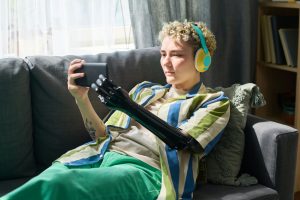
Discrimination in healthcare settings can lead to avoidance, which results in individuals not receiving care and treatment that they need. This poses risk to health and wellbeing. Furthermore, the unique challenges of intersectional marginalised identities, such as discrimination or social isolation, can implicate mental health and mental health support.
“If you see a petition about accessibility and inclusivity, sign it – that’s an easy one!”
How can we improve inclusivity for LGBTQIA+ disabled people?
There are many factors at play here, such as social structures and prejudices, accessibility issues, and a lack of resources in some areas. However, there are ways communities can improve inclusivity and understanding.
We should be considerate that language and terminology is important. How we speak influences how people perceive themselves; language can be derogatory or empowering. Positive language is one of the first steps to fostering a more inclusive environment. Similarly, stereotyping individuals based on their sexual identity, gender identity or disability is harmful. Assumptions are usually wildly inaccurate and contribute to spreading misinformation. Taking time to educate yourself about disabled and LGBTQIA+ communities, and to have open, constructive and respectful conversations with others about terminology is a productive way of improving individual experiences.
“One of our key core values is ‘Everyone gets a voice. Inclusive. Intersectional. Unapologetic.‘”
If you are, for example, involved in community events, groups and activities then it is really important to consider different access needs and create environments that feel safe for everyone. Accessibility can be challenging, particularly in older cities like Brighton. But the more we try to use venues that can accommodate, the better access will be.
If you see a petition about accessibility and inclusivity, sign it – that’s an easy one!
Familiarise yourself with some local and national resources that are available. If someone needs support or advice, you may be able to help by signposting them to a service. In Brighton, we may be able to help.
Here at Possability People we always create an inclusive environment where everyone can feel supported and all are heard. Access is equal and all disabled people and people with long-term health conditions are welcome. One of our key core values is “Everyone gets a voice. Inclusive. Intersectional. Unapologetic.”