Pain Awareness Month
Kat discusses pain from a lived experience perspective, exploring what can impact pain, approaches that may help and how you could challenge the challenges of pain.
“Everyone experiences pain at some point in their life to some degree; it is one thing we all share. So why should we hide it?”
Many of our service users live with pain, particularly chronic pain. Pain is a widespread issue, The British Pain Society reports that almost ten million people in Britain endure pain nearly every day, causing a major impact on their daily life*. Often, pain is hard to manage and difficult to treat. Living with chronic pain is a significant challenge for many and occurs not only due to illness, injury or disability but can also be linked to social factors. A 2024 health survey by the NHS found that pain disproportionately affects those living in more deprived areas compared to less deprived areas, and that there was a relationship between pain and lower levels of mental wellbeing**.
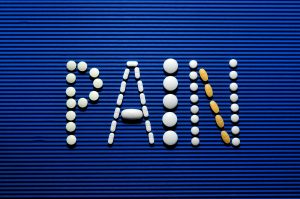
What helps with pain?
Many things can be effective, but pain is experienced differently by every person. What works for one may not work for another.
A popular tool for managing fatigue, The Spoon Theory, can also sometimes be applied to pain. The basic principle is that by managing your level of daily activities, you can preserve yourself for the following day. Rather than overexerting yourself on one day and then being unable to participate in daily life the next day, you relate each activity to a ‘spoon’ or ‘spoons’ and estimate what is realistic for you to achieve. But this comes with its own challenges, it is a hard way to live and some days you have to use all your spoons, knowing you will suffer in following days. For many people, it is simply impractical to hope you can monitor your days like this when you are busy running a household, working a job, looking after children, and so on.
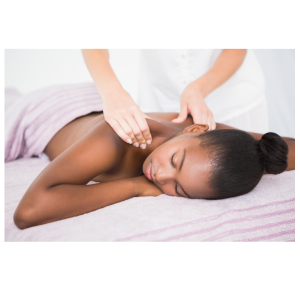
Alternative therapies may help ease pain. Utilising things like acupuncture or massage may help, depending on the type of pain you experience. Some people choose to use herbal remedies. However, access to alternative therapies can be expensive and therefore only available to some people, which may have a connection to the link between prevalence of pain being higher in more deprived areas.
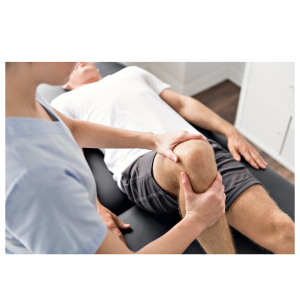
More medical based approaches such as physiotherapy can also help. It combines targeted exercises with other techniques to try to build strength, stamina and movement whilst managing symptoms. You can access physiotherapy through your GP or in some areas you may be able to self-refer***. For some this can be a real game changer, whilst for other people effects are more short-lived. When it comes to pain, it really is a matter of trying everything available to you and seeing what works best to help ease yours.
What about the mind and body connection?
It is well established that there is a relationship between our bodies and wellbeing. The NHS website suggests 10 ways you can help reduce your pain, and most of them involve keeping your mind well, as well as your body. It lists things like:
– engaging in talking therapies,
– sharing your story,
– keeping in touch with others,
– using relaxation techniques and
– managing a good sleep routine ****.
These things may sound obvious or easy. But life is complicated and living with pain can complicate things further.
There are often long waiting times for talking therapies, and finding a therapist who looks at you holistically or has personal knowledge of life in pain can be tough. There is also a financial barrier for many when it comes to talking therapies. Sharing your story can be daunting, many people live in pain and plough on regardless, without letting people around them know. There can be stigma around struggling, so some people find it easier to hide their experiences. Keeping in touch with friends and family is important, but for those in chronic pain it is much harder to socialise and get out and about. You may feel angry, frustrated, tired or defeated to the extent that you don’t enjoy spending time with others in the way you want to. Pain obviously can also impact mobility. Relaxation and sleep are so much harder when you are dealing with pain. Trying to unwind when your body is hurting doesn’t come naturally, pain signals to our brain that something is wrong and it goes against our instincts to then switch off.

How do we challenge these challenges?
- Sometimes it can be good to ring a helpline or join a local community support group so you can talk with others who understand and may be more separated from your day-to-day life.
There are usually specific charities and organisations that you can get support and information from depending on what causes your pain. For example, if you have arthritis, you could try Arthritis UK or if you have a neurological condition like Multiple Sclerosis or a brain injury then try The Brain Charity. Big charities such as these often have knowledge of local support groups and targeted information that may help.
- Being open helps reduce stigma. Everyone experiences pain at some point in their life to some degree; it is one thing we all share. So why should we hide it?
People may surprise you and start to make more of an effort to do activities that you can join in with or check in more often to see how you’re doing. Being honest about how we’re feeling can help us connect. And if someone doesn’t react well to you being more open, have a think about how valuable that connection really is.
- There are specific resources for relaxation and sleep management for people that live with pain.
Although it’s never going to be a perfect science, getting advice specifically for pain management may be more beneficial. Especially as, it’s widely acknowledged that your mental wellbeing is impacted by sleep, and both effects pain levels. Your pain will inevitably get worse when you are sleep deprived. Have a quick search online and see what tools and advice you can find.
How we could help
If chronic pain impacts your life due to a disability, injury or long-term health condition and you’d like to get involved in improving local services and infrastructure then consider joining our Get Involved Group.
If you think you need advice about your rights, finances or assessments contact our Advice Centre.